
Whole30 Food List: A Comprehensive Guide (Updated 01/27/2026)
Discover a readily available, easy-to-follow guide eliminating confusion about compliant foods, often found as a Whole30 food list PDF for convenient access․
What is the Whole30 Program?
The Whole30 program is a 30-day nutritional reset designed to eliminate potentially problematic foods from your diet, allowing you to assess how these foods impact your health․ It’s not a weight-loss program, though weight loss is often a side effect․ Instead, it focuses on short-term elimination to establish a healthier relationship with food․
Many individuals turn to Whole30 to increase protein and fiber intake, address digestive issues, or simply achieve a healthier lifestyle․ The core of the program revolves around consuming whole, unprocessed foods – think fresh fruits, vegetables, high-quality meats, seafood, and healthy fats․ Resources like a Whole30 food list PDF are invaluable for navigating the allowed and prohibited items, ensuring adherence to the program’s guidelines throughout the 30 days․
The Core Principles of Whole30
The foundational principles of Whole30 center around eliminating foods that may cause inflammation, digestive distress, or hormonal imbalances․ This includes sugar, grains, legumes, dairy, and processed foods․ The program emphasizes consuming real, whole, unprocessed foods in their most natural state․
Success hinges on diligent label reading and understanding hidden sources of sugar and non-compliant ingredients․ A Whole30 food list PDF serves as a crucial tool, providing a clear outline of approved and prohibited items․ Strict adherence to these principles for 30 days aims to “reset” your body, allowing you to identify food sensitivities and cultivate a more mindful approach to eating․ It’s about food freedom through temporary restriction․
Benefits of Following a Whole30 Diet
Embarking on a Whole30 journey can yield numerous health benefits, including improved energy levels, better sleep quality, and reduced cravings․ Many experience positive changes in digestion, skin health, and weight management․ The program encourages a deeper connection with your food and body, fostering mindful eating habits․
Utilizing a Whole30 food list PDF simplifies the process, ensuring you stay on track with compliant choices․ Beyond physical improvements, Whole30 aims to break unhealthy relationships with food and rediscover a sense of food freedom․ It’s a reset, not a diet, designed to help you identify how different foods impact your well-being and make informed choices․
Approved Foods: Proteins
Prioritize high-quality meats, seafood, eggs, nuts, and seeds, as highlighted in any comprehensive Whole30 food list PDF, for optimal protein intake․
Beef: Grass-Fed & Pasture-Raised

When adhering to the Whole30 program, selecting the right beef is crucial․ A detailed Whole30 food list PDF will emphasize prioritizing grass-fed and pasture-raised beef as the optimal choice․ This ensures a higher nutritional value and aligns with the program’s focus on quality ingredients․ Look for labels explicitly stating “100% grass-fed” or “pasture-raised” to guarantee compliance․
Avoid conventionally raised beef, as it may contain additives or come from animals fed grain, which is prohibited during Whole30․ The Whole30 food list PDF serves as a valuable resource, reminding you to carefully examine product labels․ Choosing grass-fed and pasture-raised beef contributes to a healthier and more compliant Whole30 experience, supporting your overall wellness goals․
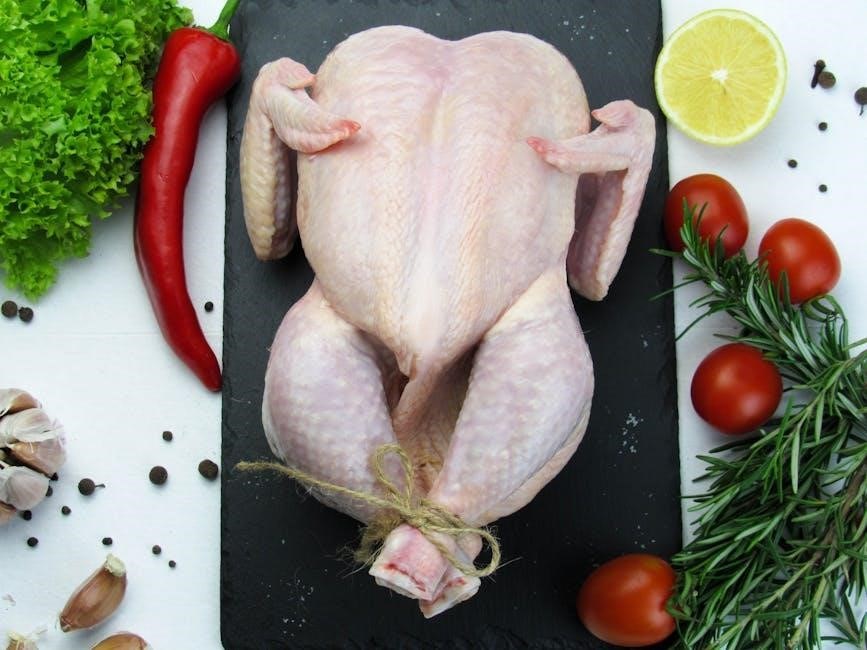
Poultry: Organic & Free-Range
A comprehensive Whole30 food list PDF clearly outlines the preferred poultry choices for participants․ Opting for organic and free-range poultry is paramount, ensuring the birds are raised without antibiotics or hormones and have access to the outdoors․ This aligns with Whole30’s emphasis on high-quality, ethically sourced protein․
Carefully review labels, seeking certifications that confirm organic and free-range practices․ Avoid conventionally raised poultry, which may contain questionable additives․ The Whole30 food list PDF acts as a handy reference, reinforcing the importance of mindful selection․ Prioritizing organic and free-range poultry enhances the nutritional benefits and supports the integrity of your Whole30 journey․
Seafood: Wild-Caught
The Whole30 food list PDF emphasizes selecting wild-caught seafood as a cornerstone of the program․ Wild-caught fish boasts superior nutritional value and avoids the potential contaminants found in farmed varieties․ Prioritize options like salmon, tuna, cod, and halibut, ensuring they originate from sustainable sources․
A detailed Whole30 food list PDF will guide you in identifying truly wild-caught options, as labeling can be misleading․ Avoid farmed seafood whenever possible, and scrutinize packaging for certifications․ Choosing wild-caught seafood aligns with Whole30’s commitment to whole, unprocessed foods, contributing to optimal health and a successful 30-day reset․
Eggs: Pasture-Raised
A comprehensive Whole30 food list PDF clearly states that eggs are a permitted protein source, but only if they are pasture-raised․ This distinction is crucial, as pasture-raised eggs come from hens allowed to roam and forage, resulting in a significantly richer nutrient profile․ Look for labels explicitly stating “pasture-raised” when consulting your Whole30 food list PDF․
Avoid conventional, caged eggs, as they lack the same nutritional benefits․ The Whole30 food list PDF emphasizes quality, and pasture-raised eggs deliver superior flavor and essential vitamins․ Prioritizing this detail ensures you’re maximizing the benefits of the program and fueling your body with the best possible ingredients․
Pork: Pasture-Raised
Your Whole30 food list PDF will highlight pork as an approved protein, but with a vital qualifier: it must be pasture-raised․ This means the pigs were raised allowing them to roam freely and forage for their natural diet, contributing to healthier, more flavorful meat․ When referencing your Whole30 food list PDF, prioritize seeking out this specific type of pork․
Avoid conventionally raised pork, as it often comes from animals confined to limited spaces and fed a grain-based diet․ The Whole30 food list PDF stresses quality, and pasture-raised pork aligns with the program’s focus on whole, unprocessed foods․ Look for labels indicating “pasture-raised” to ensure compliance․

Approved Foods: Vegetables
Your Whole30 food list PDF emphasizes a wide variety of vegetables are compliant, including leafy greens, cruciferous options, and root vegetables for optimal nutrition․
Leafy Greens: Arugula, Spinach, Kale
Your comprehensive Whole30 food list PDF will highlight leafy greens as foundational components of the diet․ Arugula, spinach, and kale are all enthusiastically encouraged, providing essential vitamins, minerals, and fiber․ These vibrant vegetables are incredibly versatile, lending themselves to salads, sautéing, or even adding to smoothies for a nutritional boost․
Remember to thoroughly wash all leafy greens before consumption․ While generally abundant and readily available, sourcing organic options when possible is always a beneficial practice․ Don’t limit yourself to just these three; explore other leafy green varieties like romaine lettuce, collard greens, or Swiss chard to diversify your intake and enjoy a wider range of flavors and nutrients․
Cruciferous Vegetables: Broccoli, Cauliflower, Brussels Sprouts
A Whole30 food list PDF will clearly indicate that cruciferous vegetables – broccoli, cauliflower, and Brussels sprouts – are fully compliant and highly recommended․ These nutritional powerhouses are packed with vitamins, fiber, and antioxidants, contributing significantly to overall health during your 30-day reset․
Experiment with different cooking methods to find your favorites․ Roasting brings out a natural sweetness, while steaming preserves nutrients․ Don’t shy away from trying cauliflower rice as a grain-free alternative! While sometimes causing digestive discomfort for some, these vegetables offer substantial benefits․ Ensure thorough cooking for easier digestion and maximum enjoyment․
Root Vegetables: Sweet Potatoes, Beets, Carrots
Your Whole30 food list PDF will confirm that root vegetables like sweet potatoes, beets, and carrots are Whole30 approved, offering natural sweetness and essential nutrients․ Sweet potatoes are a fantastic source of carbohydrates for energy, while beets provide unique health benefits and vibrant color․ Carrots add a satisfying crunch to meals and snacks․
These versatile vegetables can be roasted, mashed, or even spiralized into noodles․ Remember to focus on whole, unprocessed forms․ Avoid pre-cut or pre-seasoned options that may contain non-compliant additives․ Incorporating these root vegetables adds variety and flavor to your Whole30 journey, supporting sustained energy levels․
Squash: Butternut, Acorn, Spaghetti
A Whole30 food list PDF will clearly indicate that butternut, acorn, and spaghetti squash are excellent additions to your compliant diet․ These squashes offer diverse flavors and textures, making them incredibly versatile in the kitchen․ Butternut squash provides a creamy sweetness, perfect for soups or roasting․ Acorn squash boasts a nutty flavor, ideal for stuffing or baking․
Spaghetti squash, when cooked, naturally separates into noodle-like strands, offering a healthy alternative to pasta․ Ensure you’re choosing whole squashes and preparing them yourself to avoid hidden, non-compliant ingredients․ These squashes contribute valuable vitamins, minerals, and fiber to your Whole30 experience․
Other Vegetables: Bell Peppers, Asparagus, Artichokes
Your Whole30 food list PDF will confirm that a wide variety of other vegetables are fully compliant, including vibrant bell peppers, tender asparagus, and sophisticated artichokes․ Bell peppers, available in numerous colors, add sweetness and crunch to meals, perfect for stir-fries or roasting․ Asparagus, a spring favorite, offers a delicate flavor and is delicious grilled or steamed․
Artichokes, though requiring a bit more preparation, are a rewarding addition, providing a unique taste and texture․ Remember to always check ingredient lists on any pre-prepared or canned versions to ensure no prohibited additives are present․ These vegetables contribute essential nutrients and fiber to support your Whole30 journey․

Approved Foods: Fruits & Healthy Fats
A Whole30 food list PDF highlights all fresh fruits, avocados (a healthy fat staple), nuts, seeds, olive oil, and coconut oil as approved choices․
Fruits: All Fresh Fruits are Allowed

The beauty of the Whole30 program lies in its simplicity regarding fruit consumption․ A comprehensive Whole30 food list PDF clearly states that all fresh fruits are permitted – enjoy the vibrant colors and natural sweetness without restriction! This includes everything from apples and bananas to berries and citrus fruits․
However, remember that fruit should be consumed in moderation as part of a balanced Whole30 diet․ While naturally sweet, it still contains fructose, and the program emphasizes focusing on vegetables as the primary carbohydrate source․ The Whole30 food list PDF doesn’t specify quantity, encouraging mindful eating and listening to your body’s needs․ Dried fruit, fruit juice, and fruit purees are not allowed, as they often contain added sugars or are highly concentrated sources of fructose․
Avocados: A Staple for Healthy Fats
Avocados rightfully earn their “superfood” status on the Whole30 program, consistently highlighted in any Whole30 food list PDF․ They are a fantastic source of healthy fats, crucial for satiety, hormone production, and overall well-being during the 30-day reset․ Unlike many other fruits, avocados are low in sugar and high in fiber, making them a perfect addition to meals and snacks․
A Whole30 food list PDF will emphasize incorporating avocados liberally into your diet – enjoy them sliced in salads, mashed as guacamole (made with compliant ingredients, of course!), or simply eaten with a sprinkle of salt and pepper․ They provide a creamy texture and satisfying richness that helps combat cravings and keeps you feeling full and energized throughout the day․
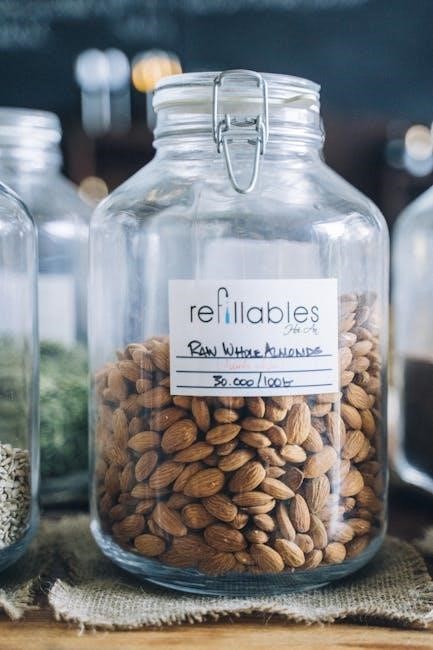
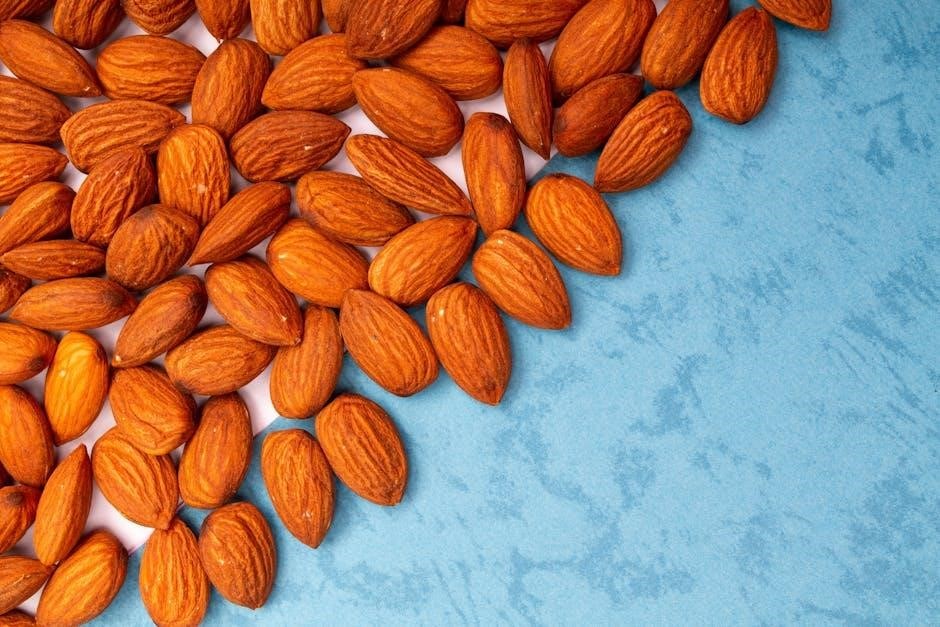
Nuts & Seeds: Almonds, Walnuts, Chia Seeds
A comprehensive Whole30 food list PDF will clearly outline approved nuts and seeds, emphasizing their role as healthy fat and nutrient sources․ Almonds, walnuts, pecans, macadamia nuts, and chia seeds are all compliant, offering a satisfying crunch and valuable nutritional benefits․ However, it’s crucial to check ingredient lists carefully, as many pre-packaged nuts are roasted in non-compliant oils or coated in sugar․
When reviewing a Whole30 food list PDF, remember that cashews are not officially Whole30 approved due to their carbohydrate content․ Seeds like sunflower, pumpkin, and flax seeds are also excellent choices, adding texture and nutrients to your meals․ Use them in salads, as toppings, or blend them into smoothies for an extra boost․
Olive Oil & Coconut Oil: Approved Fat Sources
A detailed Whole30 food list PDF highlights olive oil and coconut oil as key fat sources for cooking and flavoring․ Extra virgin olive oil is preferred for its robust flavor and health benefits, while coconut oil provides a distinct taste and is excellent for high-heat cooking․ These oils are foundational for creating satisfying and nourishing meals during the 30-day program․
When consulting a Whole30 food list PDF, remember to avoid processed oils like canola, soybean, and vegetable oil․ Avocado oil and macadamia nut oil are also compliant options, offering diverse flavor profiles․ Prioritize quality and purity when selecting your oils, ensuring they contribute positively to your Whole30 experience․
Foods to Avoid: The No-Go List
A Whole30 food list PDF clearly outlines prohibited items: sugar, grains, legumes, dairy, and processed foods with artificial ingredients—strict adherence is key․
Added Sugar: All Forms of Sugar are Prohibited
The Whole30 food list PDF emphatically states: all forms of added sugar are strictly off-limits during the 30-day reset․ This includes obvious sweeteners like cane sugar, honey, maple syrup, and agave, but extends to more subtle sources often hidden within processed foods․
Be vigilant in scrutinizing ingredient lists for sneaky sugars disguised as corn syrup, dextrose, maltose, or any ingredient ending in “-ose․” Even seemingly healthy items like fruit juice or flavored yogurt often contain added sugars that violate Whole30 rules․ The goal is to break the cycle of sugar cravings and rediscover your natural taste preferences, so complete avoidance is crucial for success․ A detailed Whole30 food list PDF will help you navigate these challenges․
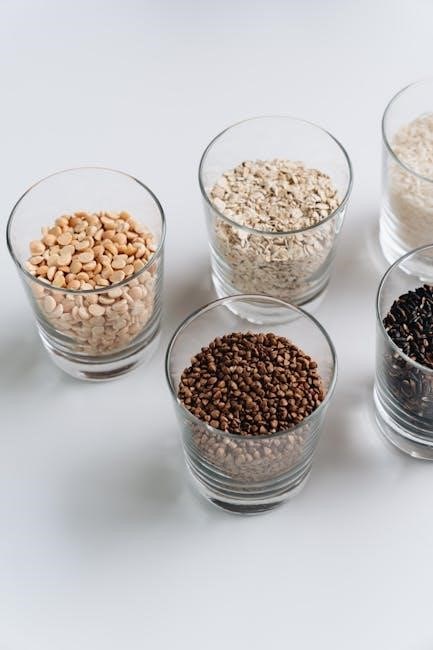
Grains: Wheat, Rice, Corn, Oats
A comprehensive Whole30 food list PDF clearly identifies all grains as prohibited during the program․ This encompasses common staples like wheat (including spelt, kamut, and farro), rice (white, brown, and wild), corn (and all its derivatives like cornstarch and cornmeal), and oats․ The rationale behind this exclusion is to eliminate foods that can contribute to inflammation, digestive issues, and blood sugar imbalances․
Even gluten-free grains are not permitted on Whole30․ The program aims for a complete break from grain-based foods to assess their impact on your body․ Referencing a detailed Whole30 food list PDF is essential to ensure you’re avoiding all grain-based ingredients, including those hidden in sauces, seasonings, and processed products․
Legumes: Beans, Lentils, Peanuts
A detailed Whole30 food list PDF explicitly excludes all legumes from the program․ This includes a wide range of foods such as beans (black beans, kidney beans, chickpeas), lentils, and, surprisingly, peanuts․ While often considered healthy, legumes contain phytic acid, which can interfere with nutrient absorption, and lectins, potentially causing digestive distress․
The Whole30 program aims to eliminate these potential irritants to allow the gut to heal․ It’s crucial to carefully review a Whole30 food list PDF, as legumes are frequently hidden in processed foods, sauces, and even some seasonings; Strict adherence to this rule is vital for a successful Whole30 experience․
Dairy: Milk, Cheese, Yogurt
A comprehensive Whole30 food list PDF clearly states that all forms of conventional dairy are strictly prohibited during the 30-day reset․ This encompasses milk (from cows, goats, or sheep), cheese of any variety, yogurt – even Greek yogurt – and butter․ The rationale behind this exclusion lies in dairy’s potential to cause inflammation, digestive issues, and skin problems in some individuals․
The program encourages identifying personal sensitivities, and dairy is a common culprit․ A detailed Whole30 food list PDF will emphasize scrutinizing ingredient labels, as dairy can be hidden in unexpected places․ Reintroduction after the 30 days helps determine individual tolerance․
Processed Foods: Anything with Artificial Ingredients
A Whole30 food list PDF emphatically excludes processed foods containing artificial sweeteners, colors, flavors, preservatives, or any ingredients designed to mimic real food․ This includes many packaged snacks, sauces, and condiments․ The goal is to eliminate substances that can disrupt gut health and create cravings․
The Whole30 food list PDF stresses reading ingredient lists meticulously․ Foods with long lists of unrecognizable ingredients are generally off-limits․ Focus on whole, unprocessed options․ Even seemingly healthy items can contain hidden additives․ This strict rule aims to reset your palate and relationship with food, promoting mindful eating․
Navigating Labels & Hidden Sugars
A Whole30 food list PDF highlights the importance of carefully reviewing ingredient lists and identifying sneaky sugar sources in unexpected products․
Reading Ingredient Lists Carefully
Utilizing a Whole30 food list PDF is a fantastic starting point, but truly understanding what you’re consuming requires diligent label reading․ Don’t simply rely on “healthy” marketing claims; scrutinize every ingredient․ Become familiar with sugar’s many aliases – corn syrup, dextrose, maltose, and agave are just a few to watch out for․
Pay close attention to additives and artificial ingredients, as these are strictly prohibited on the Whole30 program․ A comprehensive Whole30 food list PDF can serve as a quick reference while you’re in the grocery store, helping you swiftly identify compliant versus non-compliant items․ Remember, even seemingly innocuous products can contain hidden sugars or non-approved ingredients, so thoroughness is key to success․
Identifying Hidden Sources of Sugar
Even with a Whole30 food list PDF in hand, sugar can be a sneaky adversary․ It hides in unexpected places like condiments, canned goods, and even some processed meats․ Be wary of ingredients ending in “-ose,” as these often indicate sugar content․ Look beyond obvious sweeteners; fruit juice concentrate and evaporated cane juice are also off-limits․
Sauces, salad dressings, and marinades are notorious for added sugars․ Always check the ingredient list carefully․ A detailed Whole30 food list PDF can highlight common culprits, but remember to always verify the label yourself․ Don’t assume a product is compliant just because it’s labeled “natural” or “organic” – sugar can be present in those items too!
Whole30 Approved Products
Navigating the grocery store with a Whole30 food list PDF is easier knowing about officially approved products․ Whole30 maintains a continually updated list on their website of compliant items, spanning various categories like condiments, snacks, and even beverages․ These products have been vetted to ensure they adhere strictly to the program’s guidelines․
However, relying solely on “approved” labels isn’t enough․ Ingredients can change, so always double-check․ A Whole30 food list PDF serves as a great starting point, but verifying the current ingredient list is crucial․ Remember, the goal is whole, unprocessed foods, so prioritize those over pre-made options whenever possible․

Whole30 Shopping List & Printable Resources
Utilize a Whole30 food list PDF to create a comprehensive shopping list, streamlining your grocery trips and ensuring you stay compliant with the program․
Creating a Comprehensive Shopping List
Building a successful Whole30 shopping list begins with a solid understanding of approved foods, conveniently summarized in a Whole30 food list PDF․ Prioritize fresh, whole ingredients: plenty of vegetables, fruits, and high-quality protein sources like grass-fed beef, pasture-raised poultry, and wild-caught seafood․ Don’t forget essential healthy fats like avocados, olive oil, and nuts/seeds․
Referencing the PDF ensures you don’t accidentally purchase prohibited items – sugar, grains, legumes, and dairy are all off-limits․ Organize your list by grocery store sections (produce, meat, pantry) for efficiency․ Consider meal planning beforehand to accurately estimate quantities and minimize waste․ A well-prepared list is your key to staying on track and enjoying a successful Whole30!
Finding Printable Whole30 Food Lists (PDF)
Numerous resources offer convenient Whole30 food list PDF downloads for easy reference during shopping and meal planning․ The official Whole30 website provides a comprehensive, up-to-date list, ensuring accuracy․ Many health and wellness blogs also curate printable versions, often categorized for clarity – approved foods, foods to avoid, and even shopping lists․
Searching online for “Whole30 food list printable PDF” yields a variety of options․ Consider downloading multiple versions to compare and find one that best suits your needs․ Having a physical copy readily available in the kitchen or while grocery shopping can significantly simplify adherence to the program’s guidelines and prevent accidental slip-ups․
Utilizing Online Resources & Apps
Beyond Whole30 food list PDF downloads, a wealth of online resources and mobile applications can streamline your Whole30 journey․ The official Whole30 website features a robust FAQ section and a community forum for support and recipe ideas․ Several apps consolidate approved food lists, track your progress, and offer meal planning tools․
These digital tools often include barcode scanners to quickly verify product compliance, eliminating guesswork at the grocery store․ Online communities provide a platform to share experiences, ask questions, and find inspiration․ Leveraging these resources can enhance your understanding of the program and increase your chances of success, making the 30-day reset more manageable․