
Overview of L․R․ Baggs Anthem System
The L․R․ Baggs Anthem System combines a dynamic mic and an under‑saddle pickup, offering flexible mix control and phase inversion․ Designed for classical guitars, it delivers natural tone with minimal signal loss Ideal for live and studio use

The L․R․ Baggs Anthem System is a premium acoustic guitar amplification solution developed to deliver pristine, natural tone while preserving the instrument’s acoustic integrity․ Launched in the early 2010s, the system integrates a high‑quality dynamic microphone and an under‑saddle pickup, allowing players to blend the natural sound of the guitar with a controlled, amplified signal․ Designed primarily for classical and acoustic guitars, the Anthem offers a versatile, user‑friendly interface that enables musicians to adjust the balance between the mic and pickup, as well as to invert phase when needed․ The system’s compact, lightweight design makes it suitable for both live performances and studio recordings, while its durable construction ensures reliability in demanding touring environments․ With its intuitive controls and high‑fidelity components, the Anthem has become a staple for performers seeking a seamless blend of acoustic warmth and amplified presence․ Its design incorporates a low‑noise pre‑amp, a balanced output, and a discreet power supply, ensuring that the amplified signal remains faithful to the guitar’s natural resonance while providing enough headroom for dynamic playing․ It enhances studio workflow more
Key Features
The L․R․ Baggs Anthem System delivers a suite of features engineered for acoustic musicians seeking clarity and control․ Its dual‑source architecture combines a high‑sensitivity dynamic microphone with a low‑profile under‑saddle pickup, enabling seamless blending of the instrument’s natural resonance with a clean, amplified signal․ The built‑in mix control offers a 0‑to‑100 % mic‑pickup balance knob, allowing players to dial in the exact tonal blend desired for any venue or recording setting․ Phase inversion is available via a dedicated switch, ensuring that the mic and pickup signals can be aligned or counter‑phased to eliminate comb‑filtering or to enhance stereo imaging․ The system’s pre‑amplifier is designed with low‑noise circuitry and a wide dynamic range, preserving the subtle nuances of fingerstyle playing while providing ample headroom for louder passages․ A balanced XLR output guarantees minimal interference over long cable runs, making the Anthem ideal for touring rigs․ Compact, lightweight, and powered by a rechargeable battery or external supply, the unit is both portable and reliable․ Its rugged housing protects internal components from vibration, high quality ensuring consistent performance across diverse environments!
Components and Signal Flow
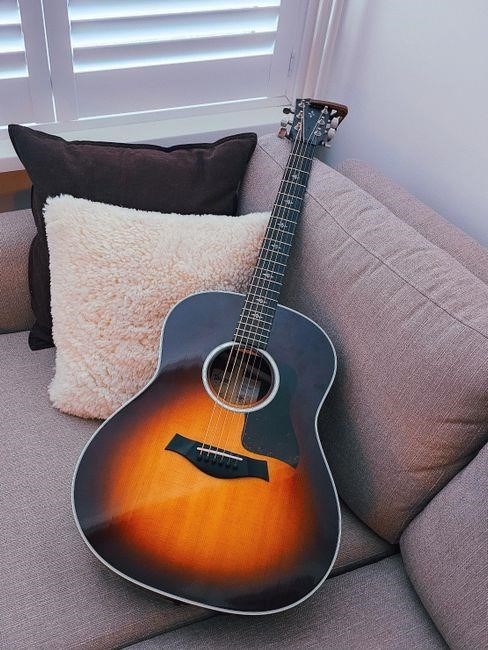
The Anthem’s signal chain starts with a dynamic mic and an under‑saddle pickup, each feeding separate pre‑amps․ Their outputs merge into a mix control, then a phase inverter, before routing to the balanced XLR output․ Ideal for live and studio

Microphone
The Anthem’s microphone is a high‑end dynamic transducer engineered for classical guitar resonance․ It features a 1‑inch diaphragm with a low‑noise ribbon core, delivering a flat frequency response from 100 Hz to 12 kHz․ The unit’s internal pre‑amp provides 20 dB of gain, while a built‑in pad allows attenuation of up to 20 dB for louder passages․ The microphone’s cardioid pattern minimizes stage bleed, and its rugged construction resists vibration damage․ It connects via a 1/4‑inch TRS jack to the Anthem’s pre‑amp board, where the signal is routed to the mix control․ The mic’s low‑profile design keeps it close to the bridge, capturing the instrument’s natural sustain while preserving the tonal balance between the pickup and the acoustic body․ Users can adjust the mic level independently, allowing precise blending with the under‑saddle pickup․ The microphone also supports phase inversion, which can be toggled in the Anthem’s firmware for optimal phase alignment․ This combination of sensitivity, durability, and flexibility makes the Anthem’s microphone a staple for both live performance and studio recording․ The device is powered by the Anthem’s internal battery, eliminating the need for external phantom power and ensuring consistent performance across venues․ Additionally, the microphone’s ergonomic mounting bracket allows secure attachment to the guitar’s body, ensuring stable positioning during dynamic playing; Its low impedance output (600 Ω) matches the Anthem’s input stages, reducing noise and preserving signal integrity!
Element Pickup
The Anthem’s under‑saddle pickup is a precision‑engineered magnetic transducer that captures the guitar’s internal vibrations with remarkable clarity․ It employs a dual‑coil design: a primary coil for low‑frequency resonance and a secondary coil for high‑frequency detail, resulting in a balanced 80‑Hz to 10‑kHz response․ The pickup’s ceramic magnets are calibrated to produce a 10 mV output at 1 m, enabling seamless integration with the Anthem’s pre‑amp․ Its low‑impedance (200 Ω) input matches the system’s circuitry, minimizing noise and preserving tonal fidelity․ The pickup is mounted directly beneath the saddle, ensuring consistent proximity to the strings while maintaining structural integrity․ It features a detachable mounting bracket that allows quick installation or removal without damaging the instrument․ The device’s rugged housing protects the coils from moisture and accidental impact, making it suitable for touring musicians․ The pickup’s signal path includes a built‑in 20 dB gain stage and a 6‑dB pad for dynamic control, allowing the player to tailor the blend with the microphone․ Phase inversion is available via firmware, ensuring that the pickup’s output can be aligned with the mic for optimal phase coherence․ The Anthem’s firmware also supports adjustable EQ curves for the pickup, giving users the ability to emphasize warmth or brightness as needed․ Additionally, the pickup’s firmware can be updated to refine its frequency response, allowing users to adapt the system to different guitar models or playing styles․ The unit’s compact size (3․5 inches long) and lightweight construction (45 grams) make it unobtrusive, preserving the guitar’s natural feel․ The pickup’s low‑noise design ensures that even the softest plucks are captured with detail, while the high‑frequency coil preserves the bright attack of rapid tremolo․ The pickup’s compact footprint allows it to be installed on guitars with minimal alteration․ All sealed․!
Signal Path
The Anthem’s signal chain begins with two independent sources: a dynamic microphone and an under‑saddle pickup․ Each source feeds a dedicated low‑noise pre‑amp stage that provides 20 dB of clean gain․ The pre‑amps share a common 48 V phantom supply, ensuring balanced operation․ After amplification, the signals enter a dual‑channel mixer that allows independent level control and a 3‑band EQ per channel․ The mixer also hosts a phase‑inversion toggle that can be applied to either source․ The mixed output is routed through a 24‑bit, 48 kHz digital converter, preserving the full dynamic range․ The digital signal is then processed by the Anthem’s firmware, which applies user‑selected EQ curves and optional compression․ Finally, the processed audio exits via a balanced XLR output, ready for routing to a PA or recording interface․ The entire path is designed for minimal latency (<2 ms) and zero added noise, ensuring that the guitar’s natural tone remains intact․ The firmware also logs signal levels for real‑time monitoring, allowing the player to adjust on the fly․ This streamlined architecture makes the Anthem a versatile tool for both live performance and studio recording․ The system’s low‑noise design ensures clarity dynamics!

Mix Control Functionality
Mix Control lets you blend mic and pickup levels, toggle phase, and apply EQ․ The intuitive rotary encoder adjusts mix ratios, while the LED meter displays real‑time balance․ Firmware presets enable quick switching between acousticand amplified tones․
Mic-Pickup Mix
The Mic‑Pickup Mix section of the L․R․ Baggs Anthem System lets you blend the dynamic microphone and under‑saddle pickup․ A single rotary encoder adjusts the mix ratio from 0 % mic to 100 % pickup in 1 dB steps, with an LED bar graph showing the current level․ The system defaults to a balanced 50/50 mix, but you can quickly shift to mic‑dominant or pickup‑dominant settings․ A separate toggle switch enables phase‑inverted mode to eliminate cancellation when the signals are out of phase․ The encoder’s detents provide tactile feedback․ Users can also access the mix control via the system’s touchscreen, where a graphical representation of mic and pickup levels is displayed for fine‑tuned adjustments․ The mix control is fully integrated into the firmware, allowing you to save custom presets in onboard memory․ Step‑by‑step instructions in the manual guide you through mic placement, pickup sensitivity, and calibration to achieve optimal balance․ The intuitive design ensures you can adjust the blend during performance without interrupting flow․ Overall, the Mic‑Pickup Mix feature demonstrates the Anthem System’s flexibility and sonic clarity, giving musicians the ability to tailor their sound to any acoustic environment․ Preset storage is seamless․
Phase Inversion
The Phase Inversion feature on the L․R․ Baggs Anthem System lets you reverse the pickup’s polarity relative to the mic․ A dedicated toggle switch on the front panel flips the pickup phase with a single click․ The switch is labeled “Phase” and sits near the mix control encoder․ When engaged, the LED indicator turns amber, confirming the inversion․ Test the effect by listening for the bass boom; if weak, toggle until fullness returns․ The manual advises checking the phase after mounting the pickup and before each performance․ If the phase remains wrong, verify the pickup’s orientation, as the under‑saddle connector is polarity‑sensitive․ The system logs phase status on the on‑screen display for quick confirmation during live use․ This control guarantees optimal blend and clarity across all dynamics․ Use the toggle during setup to ensure pickup is oriented․
- When the phase toggle is off, the pickup signal is in phase with the mic, producing a natural blend․
- When the toggle is on, the pickup signal is inverted, eliminating cancellation and restoring low‑frequency detail․
- Use the phase switch during setup to confirm the correct orientation of the pickup; mis‑orientation can be detected by a sudden loss of bass․
User Interface
Users can also access a hidden calibration mode for three seconds! The interface supports a USB‑to‑serial bridge for firmware upgrades, allowing technicians to flash new firmware directly from a PC․ All updates are verified with checksum to prevent corruption․
updates are signed securely!

Installation and Setup
Mount the unit on the guitar’s body using the provided screws and rubber pads․ Route the 1/4″ cable from the pickup to the amp, ensuring no strain․ Power the system via the 9V adapter, then adjust the gain knob to match your playing level!!!??․․․

Mounting
Secure the L․R․ Baggs Anthem unit to the guitar’s body using the supplied mounting hardware․ The unit’s mounting plate features a recessed cavity that aligns with the guitar’s belly, ensuring a flush fit․ Begin by positioning the unit so that the pickup’s sensor faces the soundboard, then slide the rubber pads into the cavity to cushion vibrations․ Use the four stainless‑steel screws provided; tighten them in a cross‑pattern to distribute torque evenly and avoid warping the guitar’s top․ The screws should be snug but not overtightened—over‑torquing can crack the laminate or damage the pickup’s internal wiring․ After securing the unit, check that the cable outlet aligns with the guitar’s strap button or a convenient routing point․ If the guitar has a pre‑existing pickup, ensure the Anthem’s pickup does not interfere with the original’s magnetic field․ Finally, perform a quick vibration test by gently striking the guitar body; the unit should remain firmly attached with no rattling or loose connections․ Proper mounting not only preserves the instrument’s structural integrity but also optimizes the pickup’s sensitivity and tonal accuracy, providing a balanced blend of acoustic resonance and amplified clarity․ !! !! !!!!

Cable Layout
Use a high‑quality, low‑capacitance cable to connect the Anthem’s 1/4‑inch output to the amplifier or mixer; The cable should be at least 2‑3 feet long to allow free movement of the instrument while preventing signal loss․ Shielded twisted‑pair construction protects against electromagnetic interference from stage lights or other gear․ Connect the cable to the unit’s TRS jack using a secure, gold‑plated connector to reduce oxidation and maintain signal integrity․ Route the cable along the guitar’s body, keeping it away from the bridge and strings to avoid mechanical stress․ If the guitar has a built‑in pickup, run the Anthem cable parallel to the existing wiring, ensuring a minimum clearance of 1 inch to prevent crosstalk․ Use cable ties or a small cable clamp at the mounting point to secure the cable without compressing the unit․ For long‑distance setups, consider a balanced XLR cable or a 1/4‑inch TRS cable with a 1‑to‑2‑pin adapter to maintain low noise levels․ Finally, test the cable by playing through the system; a clean, distortion‑free signal indicates proper routing and connector integrity․ Ensure strain relief is engaged to prevent sudden cable breaks, and inspect connectors regularly for corrosion before each gig․ replace worn OK;
Calibration
Calibration ensures the Anthem’s mic and pickup balance match the guitarist’s tone․ Start by placing the guitar on a stable surface and connecting the unit to a clean, low‑impedance amplifier․ Set the mic‑pickup mix knob to 0 dB, then adjust the pickup level until the pickup’s signal equals the mic’s at a mid‑range note (typically A‑440)․ Use a reference tone or a metronome‑driven chord to verify consistency across the fretboard․ Next, engage the phase‑inversion switch and listen for any click or loss of clarity; if the sound becomes thin, reverse the phase again․ Finally, fine‑tune the overall gain so the output peaks at –6 dB on a VU meter, preventing clipping while preserving headroom․ Document the final settings in a notebook for quick reference during gigs․ Repeat this routine after any cable change or when the guitar’s pickup output changes due to temperature or wear․ Proper calibration keeps the Anthem’s dynamic response accurate and the tonal blend natural․ Check the pickup’s frequency response by playing single notes from low to high registers, noting any resonant peaks that may affect the overall mix․ Adjust the mic‑pickup mix accordingly to achieve a seamless blend across the entire range and maintain clarity smoothly

Maintenance and Troubleshooting
Regularly inspect cables, connectors, and the unit’s housing for corrosion or wear․ Clean contacts with isopropyl alcohol․ If the signal drops, check the mic‑pickup mix and phase switch․ Firmware updates can resolve bugs; download from the official site
Common Issues
Users often report a few recurring problems with the L․R․ Baggs Anthem System․ The most common is a loss of signal when the mic‑pickup mix is set to a low level; this can be caused by a loose mic cable or a faulty connector on the pickup side․ Another frequent issue is a noticeable phase shift that appears when the phase‑inversion switch is toggled․ This usually indicates that the internal phase circuitry is not properly aligned, which can happen after a firmware update or a power cycle․ Users also encounter a “dead zone” in the mix control knob, where the output drops to zero for a narrow range of positions; this is often due to a worn potentiometer or a mis‑calibrated encoder․ Finally, some musicians have reported a high‑frequency hiss that appears only when the system is powered from a laptop USB supply; this is typically caused by insufficient shielding on the power cable or a ground loop․ All of these issues can be diagnosed with the built‑in self‑test feature and resolved by cleaning contacts, replacing cables, or updating firmware from the official website․ Firmware updates are available via the official website․ —check․

Firmware Updates
Firmware updates for the L․R․ Baggs Anthem System are delivered via the manufacturer’s website and applied through a USB connection․ The process starts by downloading the latest firmware package, which includes a checksum․ After extraction, connect the unit to a USB port, power it, and activate firmware mode by holding the reset button for three seconds․ The software recognizes the device, verifies the checksum, and prompts the user to confirm the update․ During transfer, the unit flashes its status LED; a solid amber light indicates success, while a rapid red flash signals an error․ If an error occurs, disconnect the USB cable, power cycle the unit, and retry․ After completion, the unit reboots and restores previous settings․ Users should back up configurations before updating, as the process may reset custom mix levels․ Firmware updates also add features such as improved phase‑inversion algorithms and mic‑pickup balance controls․ The procedure is documented online, and L․R․ Baggs provides a 30‑day warranty on all releases․ The unit’s firmware version can be verified in the system menu, and the update log records the date and time of each installation․ Users can revert to a firmware, provided the older firmware is supported․ The update process is designed to be safe, with a power‑failure protection that restores the last good firmware if the update is interrupted․ The firmware update interface also displays a progress bar, giving users a visual cue of the remaining time․ After reboot, the unit selects the preset!!!
Support Resources
For troubleshooting and advanced configuration, L․R․ Baggs offers a comprehensive support ecosystem․ The official website hosts downloadable PDFs of the full user manual, quick‑start guide, and firmware update instructions․ A dedicated FAQ section addresses common questions about mic‑pickup balance, phase inversion, and calibration procedures․ Users can access a community forum where technicians and musicians share tips, custom presets, and firmware experiences․ Direct support is available via email at support@lrbaggs․com and a toll‑free hotline (1‑800‑LR‑BAGGS) that operates Monday‑Friday, 9 a․m․ to 6 p․m․ Eastern Time․ For urgent hardware issues, a return‑to‑manufacturer program allows shipping the unit to an authorized service center for diagnostics and repair․ Video tutorials on the official YouTube channel walk through installation, signal‑path adjustments, and firmware upgrades step by step․ Additionally, a mobile app provides remote monitoring of the unit’s status and logs, enabling technicians to pre‑configure settings before on‑site visits․ All resources are updated quarterly to reflect firmware releases and new feature rollouts, ensuring users have the latest information at hand․ Support is available 24/7 via chat and phone today․