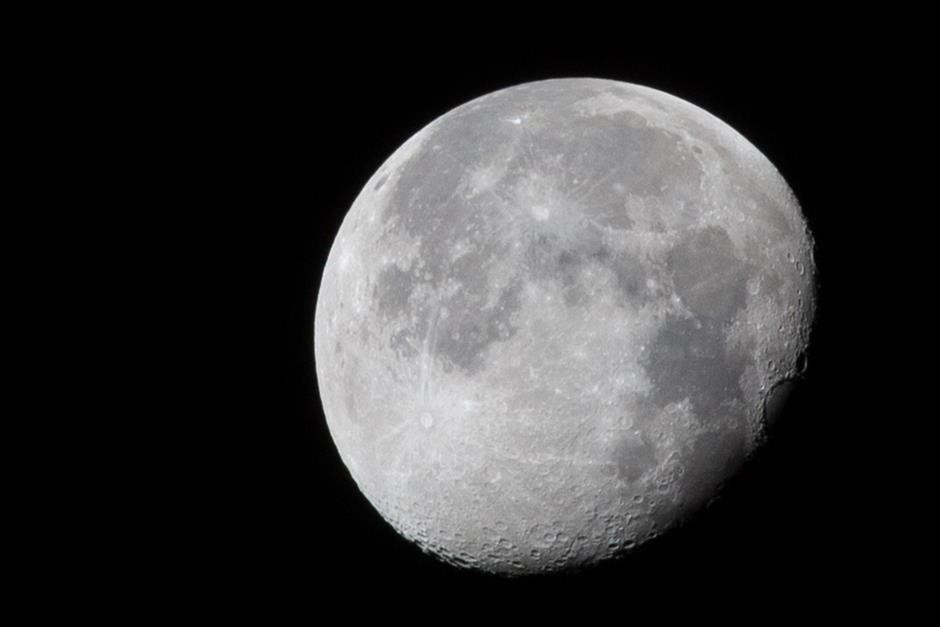
Camera Setup and Initial Configuration
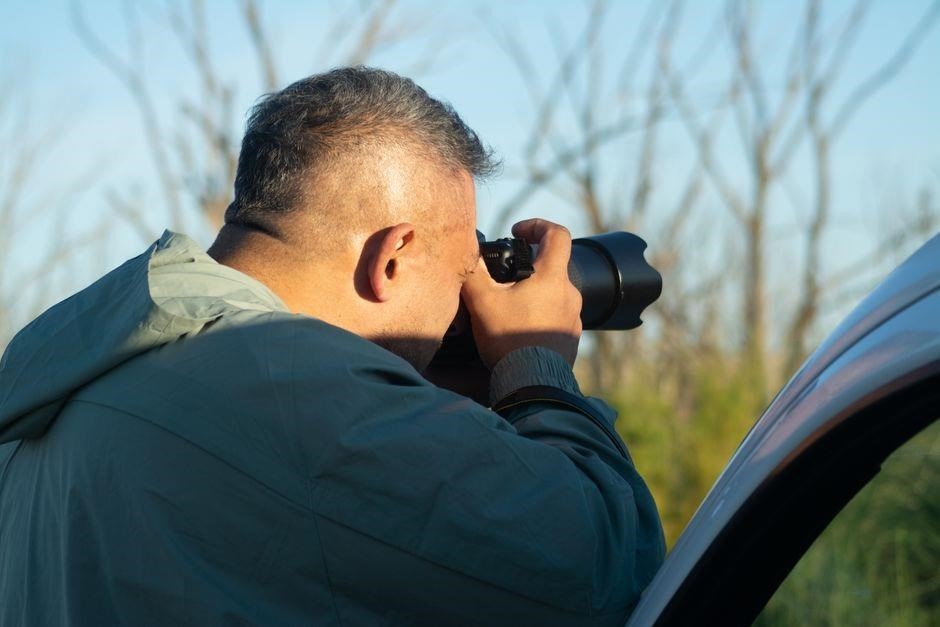
Begin by inserting a fully charged battery and mounting the lens․ Format the SD card via the menu, then navigate to the initial setup wizard․ Set date/time, language, and basic image quality․ Confirm settings before exiting to start shooting․ Press the quick‑setup button, then take a test shot to confirm focus!OK

Battery Installation and Power Management
To start, locate the battery compartment on the bottom right of the Nikon Coolpix P900․ Slide the latch open and insert a fully charged EN‑EL15 battery, ensuring the positive side aligns with the indicator․ Close the latch until the click confirms a secure fit․ Upon first boot, the P900 will prompt you to set the date, time, and language—follow the on‑screen instructions to complete these steps․ Power management is essential for maximizing shooting sessions․ The P900 offers an auto‑power‑off feature; access the menu, navigate to “Power Saving,” and set the desired timeout (default is 5 minutes)․ For extended outdoor shoots, consider using the optional battery charger with a USB cable to keep the battery topped up․ The camera also displays a battery icon in the status bar; when the icon turns amber, replace the battery promptly to avoid sudden shutdowns․ To conserve battery life, enable the “Low‑Power Mode” by selecting it from the “Power” submenu․ This mode reduces the screen brightness and disables the LCD during continuous shooting․ Additionally, disable Wi‑Fi and NFC when not in use by toggling the “Connectivity” settings to “Off․” Finally, remember to remove the battery when the camera is not in use for extended periods to prevent battery drain and prolong overall lifespan․ Battery maintenance involves periodic inspection for corrosion, cleaning the contacts with a dry cloth, and storing the battery in a cool, dry place when not in use․ Avoid exposing the battery to extreme temperatures, as this can reduce its capacity․ When the battery indicator shows low power, recharge it promptly using the supplied charger․ For prolonged storage, keep the battery at about 40% charge to maintain longevity․ Always use genuine Nikon batteries to ensure optimal performance and safety․ Use a battery case to protect against drops!!
Insert a compatible SD or SDHC card into the rear slot․ Turn the camera on and press the Menu button․ Navigate to the “Setup” tab (gear icon) and select “Format․” The system will warn that all data will be erased; confirm by selecting “OK․” Formatting takes a few seconds; a progress bar will appear․ Once completed, the card is ready for use․ For optimal performance, format the card in the camera rather than on a computer․ After formatting, return to the main menu․ Use the arrow keys to scroll through categories: “Image Quality,” “Playback,” “Setup,” “Custom Settings․” Each section contains submenus accessed by pressing the center button․ The “Image Quality” menu allows you to set JPEG quality, RAW resolution, and file size․ The “Playback” menu offers image review options, including zoom and slide show․ The “Setup” menu includes power settings, date/time, and language․ The “Custom Settings” menu lets you assign functions to the Quick‑Menu button and adjust shooting parameters․ To customize the Quick‑Menu, select “Quick‑Menu Settings” and choose the desired items․ The camera’s “Guide” feature can be enabled from the “Setup” tab to display on‑screen tips․ Pressing the Menu button opens the main menu, divided into tabs: “Image,” “Playback,” “Setup,” “Custom,” and “Help․” Use the left/right arrows to switch tabs, and the up/down arrows to navigate options․ Press the center button to select an option․ By mastering the menu system, you can quickly adjust settings and capture images with confidence․ The camera also supports a customizable Quick‑Menu for rapid access to frequently used settings․ Additionally, the firmware can be updated via USB to unlock new features․

Key Features and Technical Specifications

Explore the Nikon P900’s 10‑x optical zoom paired with 125‑x digital power, a 16․4‑MP sensor delivering sharp detail, and built‑in Wi‑Fi/NFC for instant sharing․ Its robust 3‑inch LCD, 3‑way tilting, and versatile RAW/JPEG formats make it ideal for enthusiasts!!

10x Optical Zoom and 125x Digital Zoom
The Nikon P900 delivers a remarkable 10‑x optical zoom, spanning 24‑mm to 240‑mm equivalent focal lengths, and an impressive 125‑x digital zoom for extreme reach․ The optical system employs a 4‑element, 3‑group lens that preserves sharpness and contrast across the entire zoom range, while the built‑in optical image stabilization (OIS) compensates for hand‑shake, allowing for smooth handheld shots even at the longest focal length․ The digital zoom, powered by sophisticated interpolation algorithms, extends the reach to 3000‑mm equivalent, ideal for wildlife or sports where the subject is far away․ However, users should note that digital zoom can introduce compression artifacts and a slight loss of detail compared to optical zoom․ To maximize image quality, it is recommended to use the 10‑x optical zoom whenever possible and reserve the 125‑x digital zoom for situations where the subject is beyond the reach of the optical range․ The camera’s 3‑way tilting LCD and 3‑inch touchscreen facilitate framing from awkward angles, and the 16․4‑MP sensor captures high‑resolution detail that is especially valuable when cropping or enlarging images․ By combining the optical zoom’s clarity with the digital zoom’s versatility, photographers can adapt to a wide array of shooting scenarios, from sweeping landscapes to distant wildlife, while maintaining control over exposure and focus settings․ Experiment with the zoom slider, observe the on‑screen zoom indicator, and adjust the ISO and shutter speed to balance light and motion, ensuring that the final image remains sharp and true to the scene․
High-Resolution 16․4 MP Sensor

The Nikon P900’s 16․4‑megapixel CMOS sensor is engineered to deliver exceptional detail and dynamic range across a broad spectrum of lighting conditions․ Its 1‑inch format captures 16,400,000 pixels, enabling large prints up to 20 × 30 inches at 300 dpi without noticeable loss of clarity․ The sensor’s backside‑illuminated (BSI) architecture enhances light‑collection efficiency, reducing noise in low‑light scenarios and preserving color fidelity․ Coupled with the camera’s 10‑x optical zoom, the sensor’s high resolution ensures that even at the longest focal length, fine textures and subtle tonal variations remain sharp․ The P900 supports both JPEG and RAW (NEF) output, giving photographers the flexibility to perform extensive post‑processing while maintaining the sensor’s full data․ In addition, the sensor’s 16‑bit RAW format preserves 65,536 tonal levels, allowing for precise adjustments to exposure, white balance, and contrast without banding․ The camera’s 16‑bit image processing pipeline further refines color accuracy, delivering natural skin tones and vibrant landscapes․ For users who require maximum detail, the P900’s 4‑frame averaging mode can be enabled; this feature combines multiple exposures to reduce sensor noise and improve dynamic range, especially beneficial in high‑contrast scenes․ The sensor’s 1․6‑µm pixel size strikes a balance between resolution and sensitivity, ensuring that images maintain sharpness while still performing well in low‑light environments․ Overall, the 16․4‑MP sensor positions the Nikon P900 as a versatile tool for both casual shooters and professionals who demand high‑resolution imagery with excellent color depth and dynamic range․ Users can also utilize the camera’s built‑in histogram and focus peaking tools to verify that the sensor’s output meets their expectations, ensuring that every frame is rendered with optimal sharpness and tonal balance․ Because the sensor is paired with a 3‑point autofocus system, the camera can lock onto subjects with high precision, even in challenging lighting, further enhancing image quality․ The P900’s sensor is also designed to support Nikon’s proprietary EXPEED 4 image processor, which applies advanced noise reduction and sharpening algorithms in real time, producing images that are both crisp and clean․ When shooting in RAW, photographers can leverage Nikon’s Capture NX‑D software to fine‑tune exposure, white balance, and color grading, taking full advantage of the sensor’s extensive data range․ Additionally, the camera’s 1‑inch sensor allows for a relatively compact form factor while still delivering image quality comparable to larger DSLRs, making it an ideal choice for travelers and event photographers who need portability without compromising performance․ All features work seamlessly together, ensuring consistent results․
Built-in Wi‑Fi and NFC Connectivity
The Nikon P900 integrates dual‑band Wi‑Fi (2․4 GHz and 5 GHz) and NFC, enabling seamless image transfer and SnapBridge connectivity․ After powering on, the camera automatically enters “Wi‑Fi Setup” mode, where users can select “Create Hotspot” to generate a local network name and password․ Once connected, the SnapBridge app displays a live preview, allowing instant image review and selective download to smartphones or tablets․ The camera also supports “Remote Control” mode, which lets users adjust exposure, focus, and shutter speed from a mobile device, making it ideal for studio or group shots․ NFC pairing is a one‑tap process: simply tap the phone’s NFC sensor to the camera’s NFC pad, and the device will automatically launch the SnapBridge app and establish a secure connection without manual entry of credentials․ For advanced users, the P900 offers “Wi‑Fi Direct” for peer‑to‑peer file sharing, bypassing a router․ The camera’s firmware includes a “Wi‑Fi Transfer” setting that can be toggled to automatically upload images to a cloud service such as Google Drive or Dropbox via the SnapBridge app, streamlining workflow for on‑the‑go photographers․ Additionally, the P900’s Wi‑Fi supports “Live View” streaming to compatible devices, providing a real‑time feed for remote composition․ The built‑in NFC and Wi‑Fi features reduce cable clutter, simplify collaboration, and enhance the camera’s versatility in both casual and professional settings․ With dual‑band Wi‑Fi, the P900 keeps a stable connection in crowded areas, ensuring reliable data transfer today now!!!
Shooting Modes, Settings, and Image Quality
The Nikon P900 offers 12 shooting modes, from Auto to Manual, each with custom white balance, ISO, and exposure․ JPEG and RAW formats support high‑res images, while the 16․4 MP sensor captures detail․ Adjust settings via the menu for optimal quality․ Use presets now!!
Manual Exposure Control and ISO Settings
In Manual mode, the Nikon P900 gives full control over shutter speed, aperture, and ISO․ Use the main dial to set shutter speed from 1/4000 s to 30 s, and the secondary dial to adjust the f‑stop range from f/2․8 to f/22․ ISO can be set from 100 to 6400, with Auto‑ISO selecting the optimal value for lighting conditions․ The camera’s exposure compensation slider allows fine‑tuning in 1/3‑EV increments, ensuring accurate exposure even in high‑contrast scenes․ For low‑light shooting, increase ISO while keeping a slower shutter speed; for action, lower ISO and use a faster shutter․ The P900’s built‑in histogram displays real‑time exposure data, helping to avoid clipping․ Remember to lock exposure with the “M‑Lock” button to prevent accidental changes during continuous shooting․ Adjust white balance separately to match lighting, and use the “Exposure Lock” feature to maintain consistent exposure across a series of shots․ Regularly review histogram peaks to confirm proper exposure distribution across shadows, midtones, and highlights․ Mastering these controls unlocks the full potential of the P900’s 16․4‑MP sensor and 10‑x optical zoom․ When shooting with the 10‑x optical zoom, remember that the effective focal length increases, making the scene narrower; thus, keep the ISO low to reduce noise, and use a tripod or image stabilization to avoid blur․ The P900’s optical image stabilization compensates for hand‑shake up to 5․5 stops, allowing sharp images even at the longest focal length․ Use the timer for group shots now fast․
Image Formats: JPEG and RAW Support
The Nikon P900 records images in two main formats: JPEG and Nikon’s proprietary NEF RAW․ JPEG files are compressed, ready for immediate sharing and occupy roughly 2–3 MB per shot at full resolution․ The camera offers three JPEG quality levels—Fine, Normal, and Basic—allowing users to balance image detail against file size․ RAW files preserve the full 16․4‑MP sensor data and provide a 14‑bit dynamic range, enabling post‑processing without loss of detail․ Each RAW image is about 20 MB, giving photographers the flexibility to adjust exposure, white balance, and color grading with minimal degradation․ The P900’s dual‑format mode captures both JPEG and RAW simultaneously, ensuring an immediate shareable copy while retaining a high master for editing․ In the “Image Quality” menu, options include JPEG (Fine/Normal/Basic) RAW, and JPEG+RAW․ For critical work—landscape, portrait, or studio RAW is recommended, whereas casual shooting can rely on JPEG․ The camera’s “Auto” setting can choose the appropriate format based on scene brightness, but manual selection offers the greatest control very․ The P900 also supports DNG conversion, allowing RAW files to be saved in the open DNG format for compatibility with editing software․ Finally, the camera’s “File Size” setting can limit the number of images stored on a single card, which is useful when working with large RAW files․

White Balance and Color Profiles
The Nikon P900 offers a robust white‑balance system with presets such as Auto, Daylight, Shade, Cloudy, Tungsten, Fluorescent, Flash, and Custom․ The Custom mode captures a neutral reference to calculate precise color temperature and tint․ A “White Balance Shift” feature allows fine adjustments in 100‑K steps for exact control․ The camera’s algorithm works with the 16․4‑MP sensor to maintain color fidelity across the dynamic range․ For color grading, five built‑in profiles—Standard, Vivid, Neutral, Portrait, Landscape—adjust hue, saturation, and contrast to suit shooting styles․ Portrait softens skin tones, Landscape boosts greens and blues, Vivid increases saturation, and Neutral keeps colors flat for post‑processing․ The white‑balance and color‑profile flexibility make the P900 suitable for varied lighting, ensuring consistent results․
In RAW mode, the camera records full color data, allowing post‑processing software to apply any white‑balance adjustment without loss․ Metadata includes the selected mode and profile, so editors can revert to the original settings․ JPEGs are rendered with the chosen profile applied, ensuring images look consistent on standard displays․ The “Auto White Balance” sensor‑based mode recalibrates automatically when lighting changes, ideal for dynamic scenes such as weddings or events․ This combination of preset, custom, and shift options provides flexibility for both beginners and advanced photographers, ensuring accurate color reproduction in every situation․
Users can also export the RAW files to external storage or cloud services for backup, and the P900’s built‑in Wi‑Fi allows instant sharing of JPEGs or RAW images to compatible devices․ The camera’s color‑management system ensures that images retain their intended appearance across different viewing platforms․
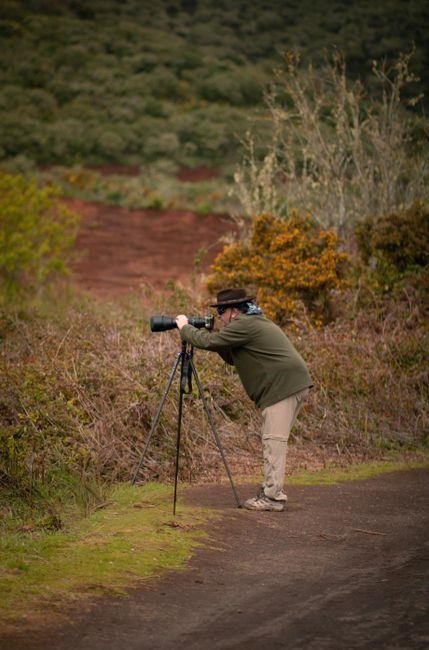
Troubleshooting Common Issues and Maintenance
When the Nikon P900 shows a black screen, check battery level and SD card format․ If autofocus stalls, clean the lens mount and reset the camera․ For overheating, allow the body to cool before re‑using․ Keep firmware updated via Nikon’s website․ Use a microfiber cloth for dust removal Check lens seals regularly
Battery Life Optimization Techniques
Maximizing the Nikon P900’s battery life starts with using the supplied 3 V AA cells or the optional 3 V AA rechargeable pack, ensuring they are fully charged before use․ Keep the camera’s power‑on time to a minimum by enabling “Auto‑Power‑Off” in the menu, which turns the body off after 60 seconds of inactivity․ Disable the high‑resolution “Super‑Zoom” mode when it’s not needed, as it draws more power․ Turn off Wi‑Fi and NFC unless you’re transferring images, as wireless radios consume significant energy․ Store batteries in a cool, dry place; high temperatures accelerate discharge․ Finally, periodically run a battery health check via the menu to ensure the cells are still holding charge, and replace them if the remaining capacity falls below 70 % of the original rating․ Use the camera’s built‑in timer to avoid continuous power drain during long exposures․ Keep the LCD brightness at 50 % to conserve power․ Use the camera’s “Auto‑Power‑Off” feature to shut down after inactivity․
When traveling, pack the camera in a padded case to protect it from shocks that could damage the battery contacts․ Use the “Low‑Power Mode” during daylight when the ambient light is sufficient; this mode reduces the LCD backlight and sensor power․ Finally, schedule regular firmware updates, as Nikon sometimes releases power‑saving patches that improve efficiency without changing hardware․
Remember that the P900’s 16․4 MP sensor can be set to “Low‑Resolution” mode (8 MP) for extended battery life during casual shooting․ Also, avoid leaving the camera in a hot car; heat can permanently damage the battery․ Use a battery charger with a built‑in timer to prevent overcharging, which can shorten battery lifespan․